
APPLICATIONS
Compressed air valves
for the systems you build
A slow leak wastes compressed air and robs the system of pressure. A compressed air valve has to seal tight, handle line pressure and give operators a shutoff they can reach. Anderson Brass makes air shut-off, ball and drain valves for truck, trailer and equipment manufacturers. Our engineers work with yours early.
BEFORE YOU SPEC A VALVE
What compressed air and gas systems ask of a valve
Air and gas behave differently from the liquids most valves are built around. Four things decide whether a valve is right for the line.
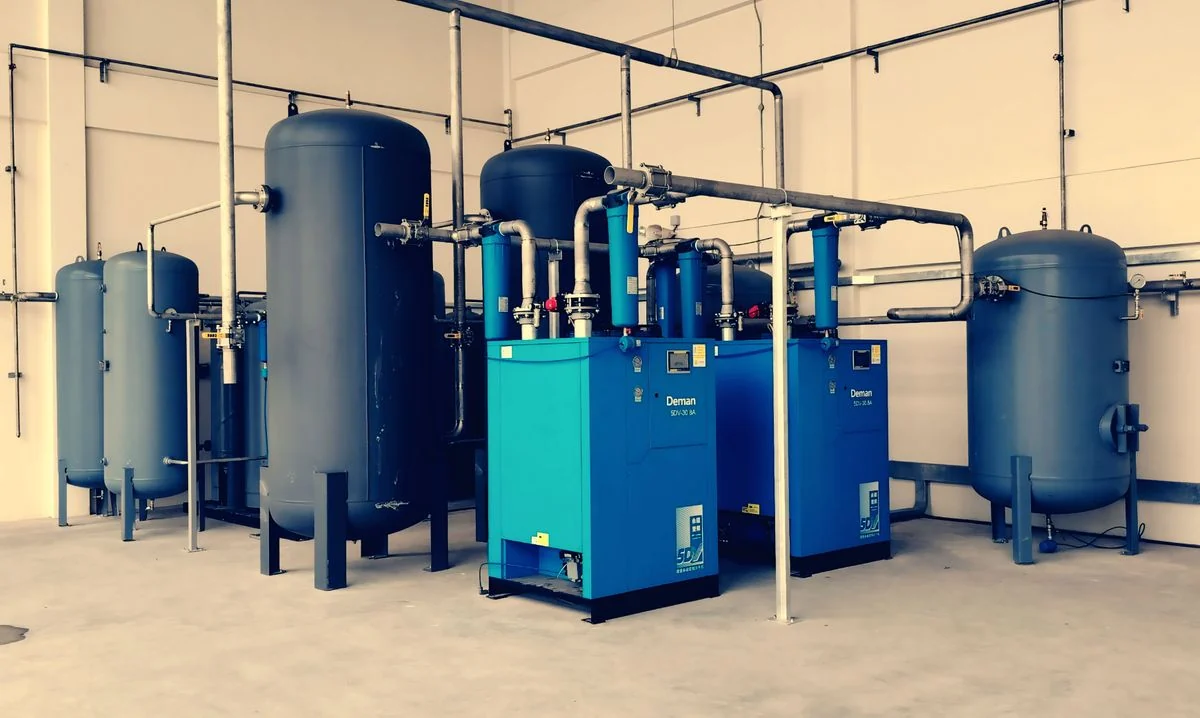
- Tight sealingAir and gas find leak paths that liquids often don’t. The valve has to stay sealed at the stem and the seat through years of cycling.
- Pressure ratingThe valve has to be rated for the working pressure in the line, with room for the spikes a compressor or regulator can create.
- Condensate drainageCompressed air carries water. Tanks and low points need a drain valve that clears moisture on demand and stays sealed between uses.
- Gas compatibilityDifferent gases ask different things of seals and materials. Some applications call for certified valves; others call for oxygen-clean parts.
RELEVANT PRODUCT CATEGORIES
Valves that support compressed air and gas systems
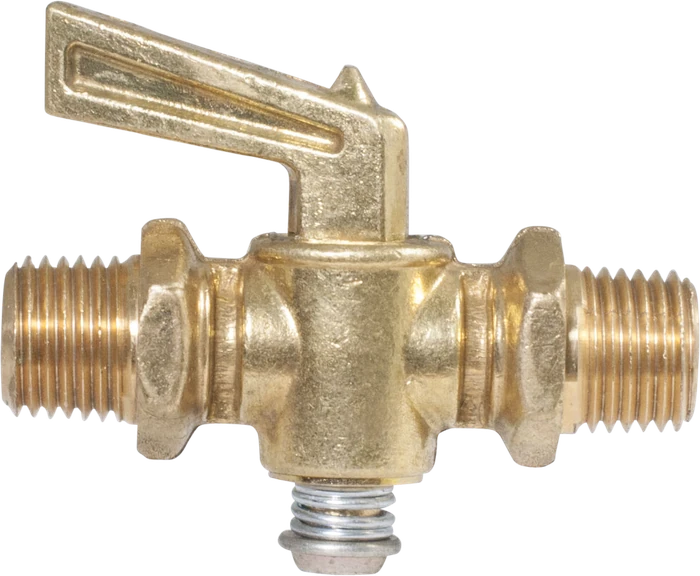
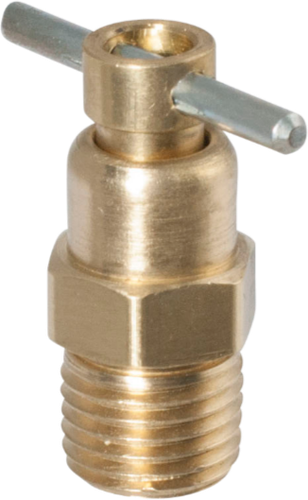
From the drain on an air tank to a compressed air shut-off valve on the line, these are some common Anderson Brass valves air system builders start with.
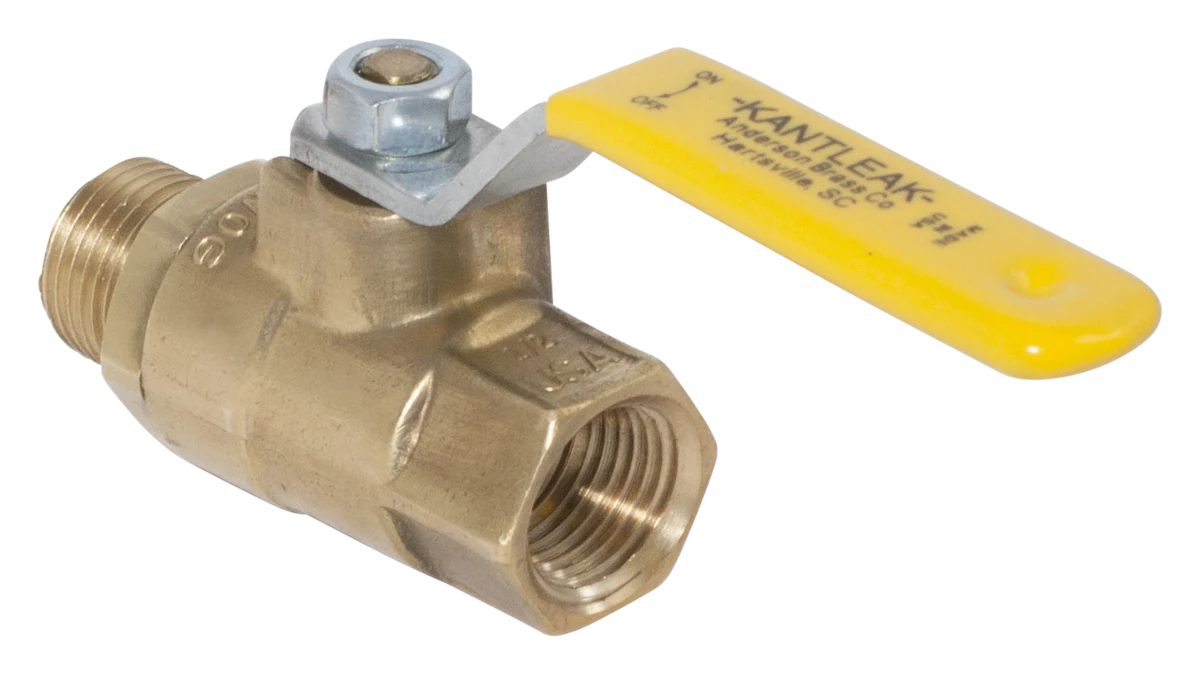
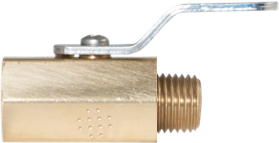
Provisional selection · exact series and gas-service ratings to confirm.
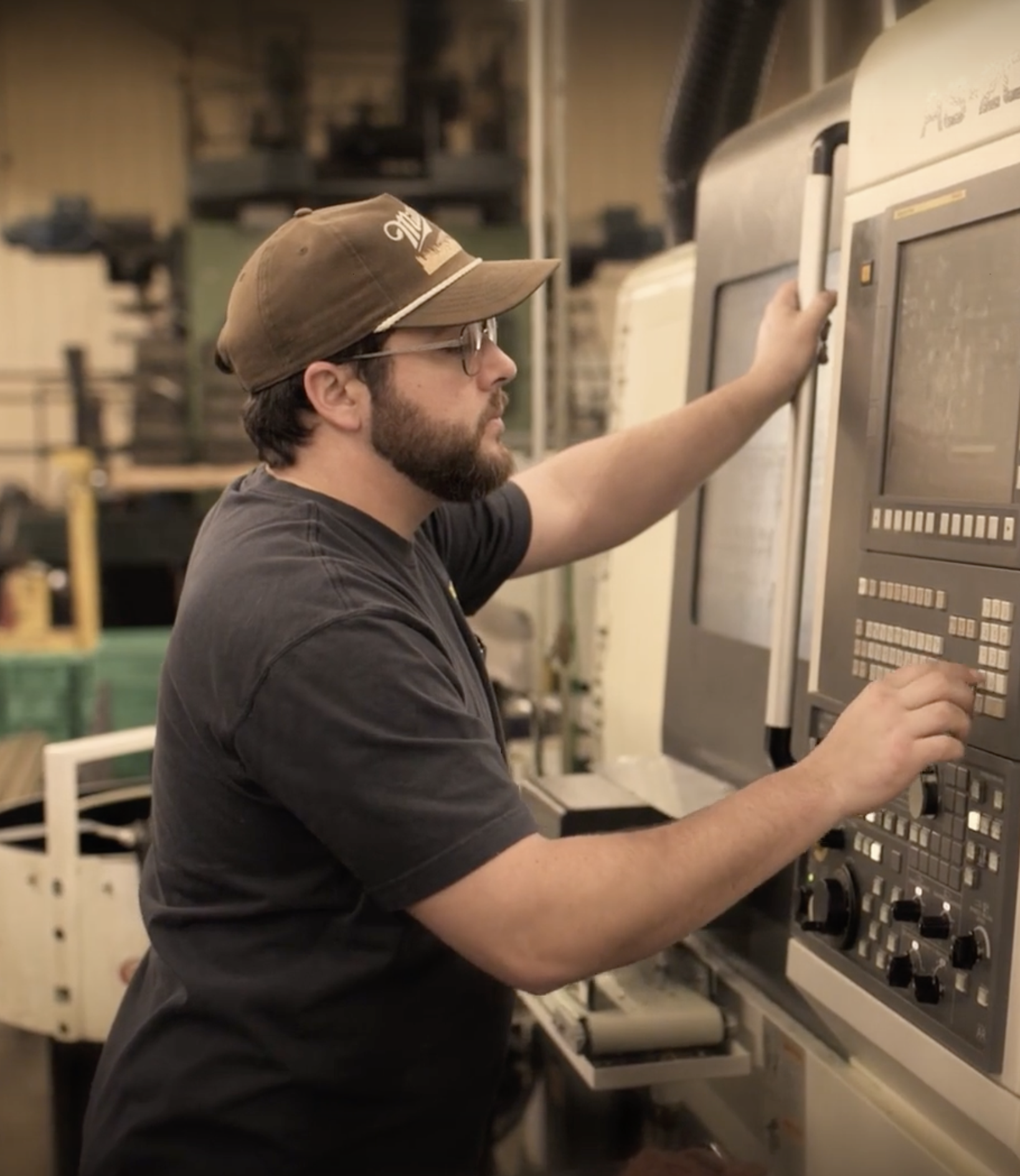
MODIFIED & CUSTOM
Close, but not quite right?
Most air and gas projects start with a valve we already make and end with a change to it. Different ports or ends to match your lines, a different handle for where the operator reaches, a different footprint to fit the tank or frame. Some end as a part we design with you from scratch. Our engineers will tell you early whether a standard, modified or custom solution fits your system, then help you get the right part while it’s still cheap to change.
WHY ANDERSON BRASS FOR AIR & GAS
Built for the pressure in your lines
From the tank to the line
Drain valves for the tank and shut-off valves for the line come from one supplier, so the parts that hold your system’s pressure come from one source with one team behind them.
Designed with your engineers
Bring us a pressure requirement, a tight mounting space or a valve that almost works. We’ll help you get the right part before the spec is locked.
Tested before it ships
Design, machining, assembly and testing all happen in our Hartsville, South Carolina plant.
BUILT FOR AIR & GAS
A drain valve that fit the frame
Illustrative project · details pending confirmation
[A trailer manufacturer] needed an air tank drain valve that fit [a tighter mounting space on a new frame] without giving up a reliable seal. ABCO’s engineers started from [a standard drain valve], changed [the port orientation and handle], and tested every assembly before it shipped. The result: [one part that now serves three trailer models].
RELATED ARTICLES
Practical reading for air and gas systems
Choosing a shut-off valve for an air line
Pressure, sealing and access: questions to bring to the selection process.
Read article →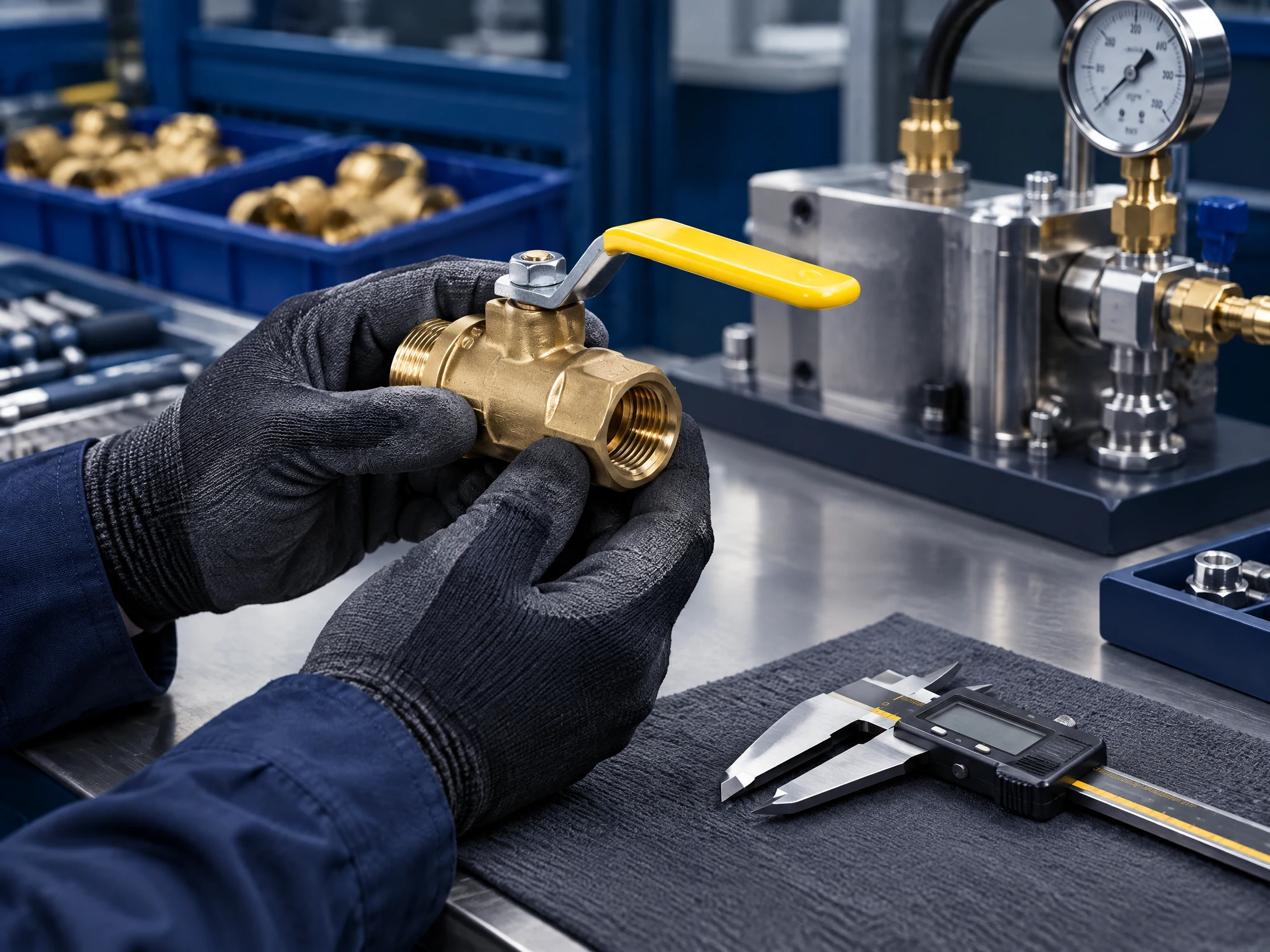
Planning for condensate drainage
A review placeholder for tank drainage, mounting and service access.
Read article →
Adapting a valve to a tighter footprint
Starting with an existing design and reviewing the connections and available space.
Read article →RELATED INDUSTRIES
Explore by Industry
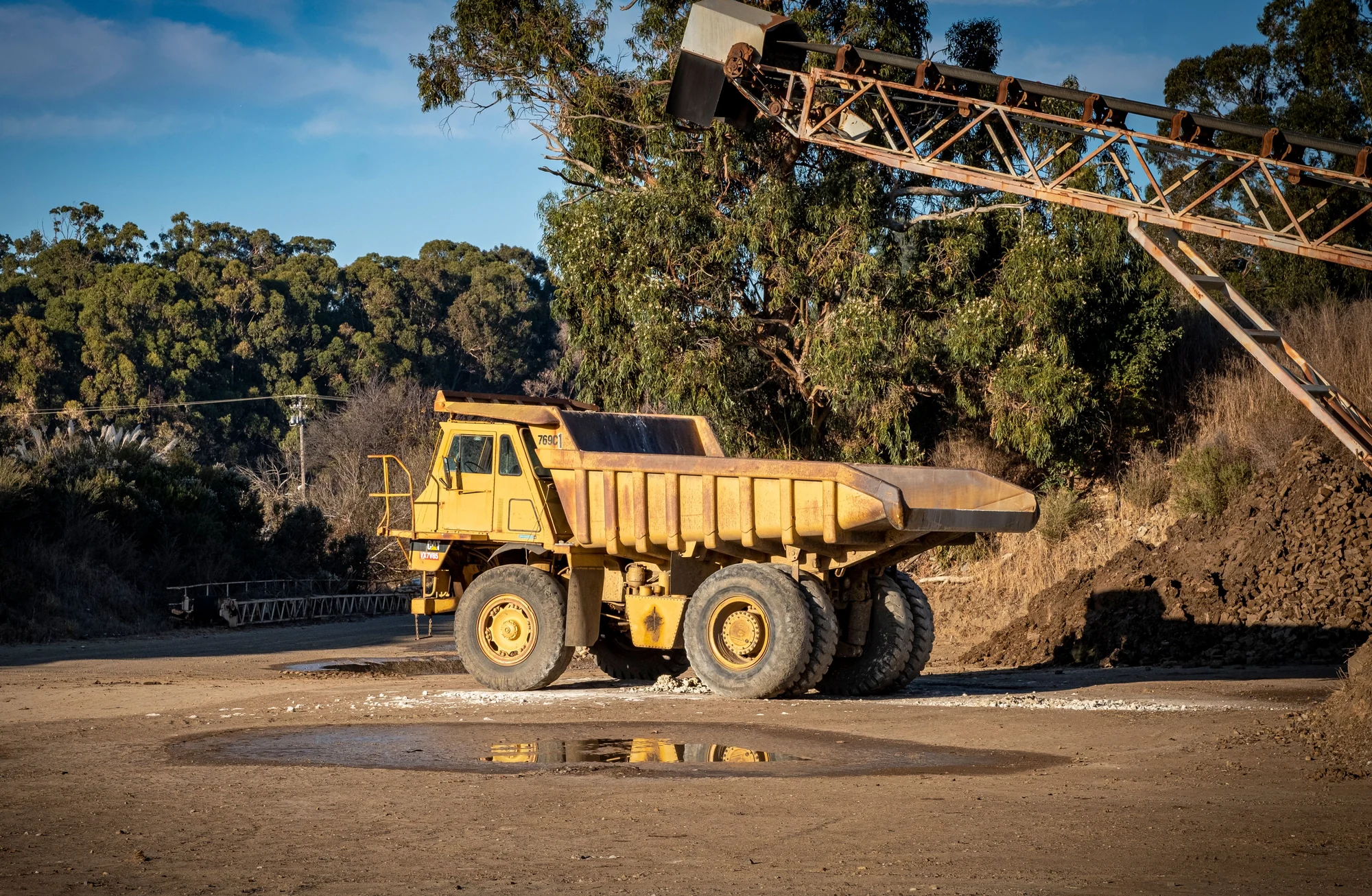
Trucking & Construction
Explore components for trucks and construction equipment.
Explore Trucking & Construction
FREQUENTLY ASKED QUESTIONS
Questions for compressed air valves
What’s the difference between a compressed air valve and a pneumatic valve?
A compressed air valve controls the air moving through a line. “Pneumatic valve” usually means a valve that air operates, such as an air-actuated ball valve. ABCO makes valves that control the air or gas in the line.
Why does an air tank need a drain valve?
Compressing air pulls moisture out of it, and that water collects in the tank. A drain valve lets operators clear it before it reaches the rest of the system. See our Drain Valves for standard options.
Are your valves rated for natural gas or propane?
[PLACEHOLDER: pending ABCO confirmation of gas ratings]
Can you modify a standard valve for my air or gas system?
Yes. Common changes include ports, ends, handles and footprint. Most projects start from a valve we already make, which keeps cost and lead time down compared to starting from scratch.
A BETTER PLACE TO BEGIN
Every project starts with a conversation
Tell us what the valve needs to do, what’s in the line and where it mounts on the machine. If a standard Anderson Brass valve fits, we’ll point you to it. If it doesn’t, we’ll work out what will.