
WHO WE SERVE
Flow control for
data center cooling equipment
In a liquid-cooled data center, a valve that leaks sits a few feet from equipment that can’t get wet. Anderson Brass designs and builds data center valves for the companies that make cooling equipment, with every valve tested under one roof in the USA.
Product photo · cooling assembly image pending
ENGINEERED FOR REAL-WORLD CONDITIONS
What data center cooling equipment asks of a valve
Whether your customers call them data centers or AI compute campuses, liquid cooling brings coolant right up to the servers. Every valve in the loop has to seal reliably, keep flow moving the right way, isolate sections for service and fit inside tightly packed racks and cooling units.
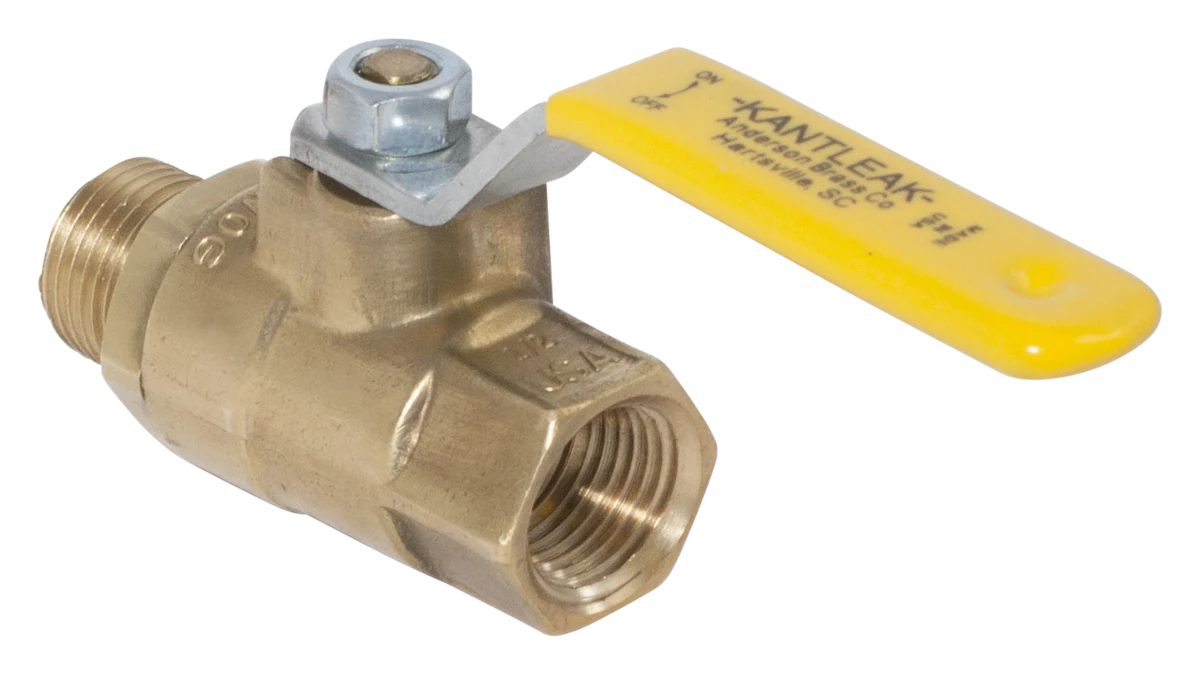
- Seals that holdKantLeak™ double O-ring stem seals are rated for 20,000 leak-free cycles and never need tightening.
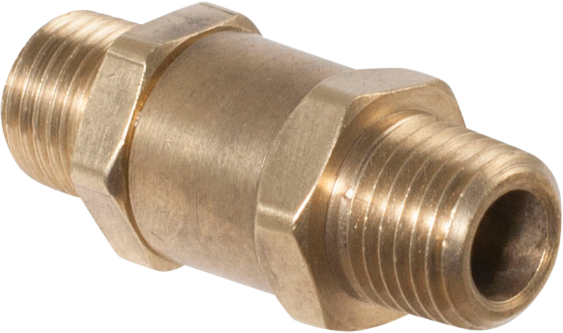
- Flow in one directionCheck valves that keep coolant moving the right way through the loop.
- Isolation for serviceBall valves that shut off a section of the loop so a unit can be serviced without draining the system.
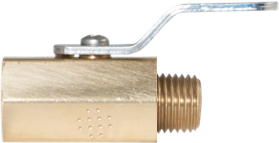
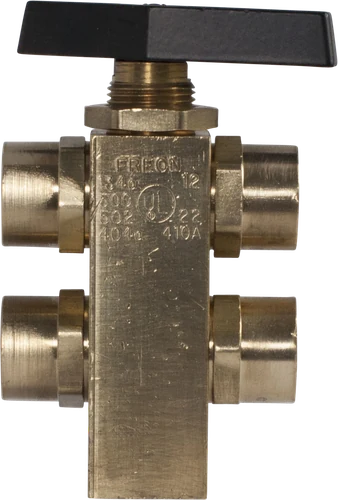
- Fits tight spacesCompact mini ball valves and multi-port stack valves that fit inside crowded racks and cooling units.
RELEVANT PRODUCT CATEGORIES
Valves for every line in the cooling loop
Start with the job the valve has to do. Each of these is built from a standard Anderson Brass line, and if nothing fits exactly, we can adapt one.
MODIFIED & CUSTOM
Close, but not quite right?
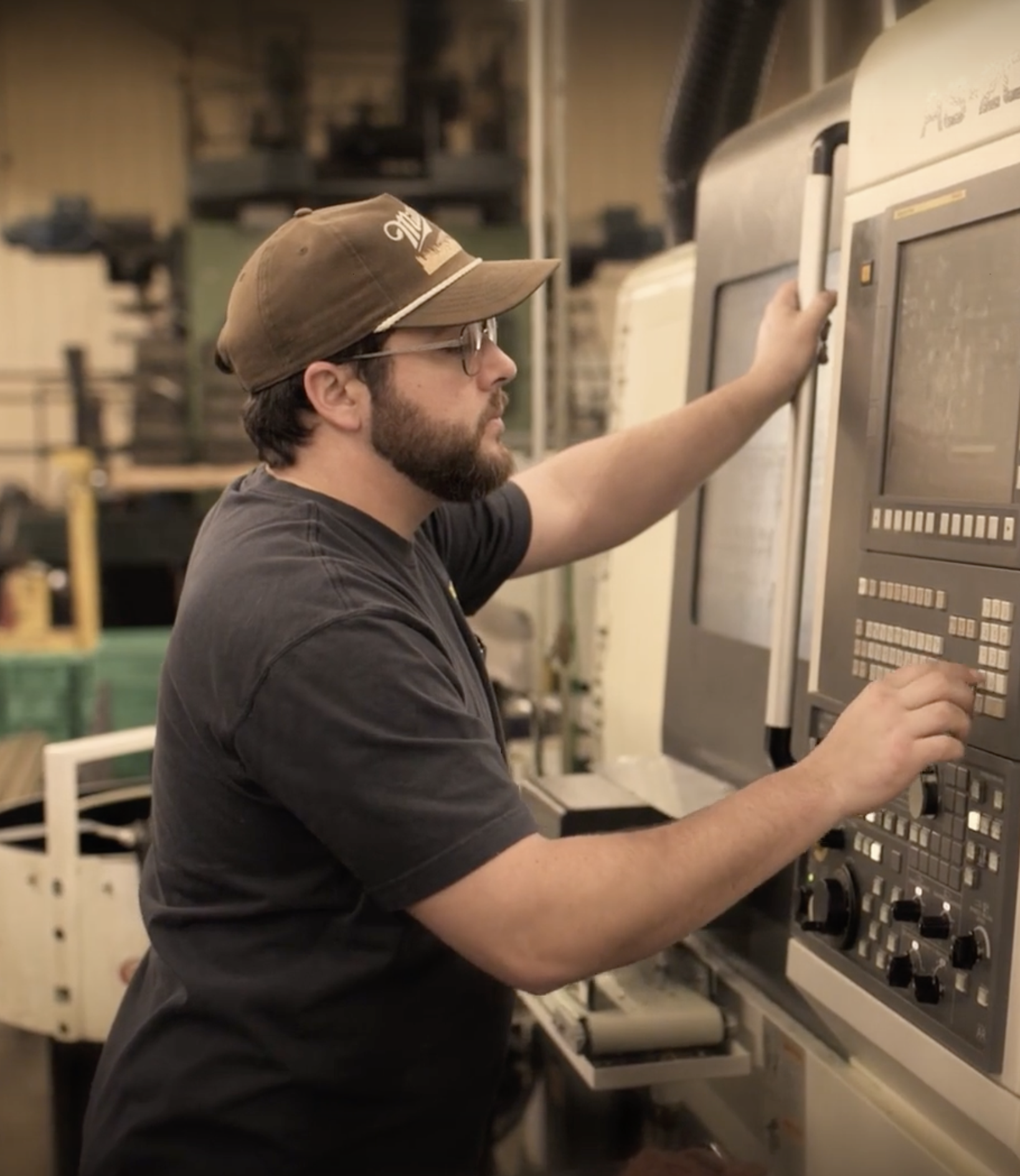
Most data center cooling projects start with something we already make and end with a change to it. A different end connection, a material matched to the coolant, a valve sized to fit a crowded rack or cooling unit. Some end as a part we design with you from scratch. Our engineers will tell you early whether a standard, modified or custom solution fits your application, then work with you to get the right part while it’s still cheap to change.
WHY ANDERSON BRASS FOR DATA CENTERS
Built for cooling loops that can’t afford a leak
Leak-free by design
A leak in a cooling loop can take servers offline. KantLeak stem seals never need tightening, and every valve is tested before it ships.
A part that grows with your platform
Many of our customers buy parts that started as specials and are now standard parts we make. As your cooling platform adds models, your next variation builds on the last one.
A domestic source
Every valve is engineered, designed, tested and assembled in Hartsville, South Carolina, so you have a domestic source and one team accountable from drawing to delivery.
BUILT FOR WORKING RELATIONSHIPS
A project is better when the people building it stay involved
“Quote”
RELATED ARTICLES
Practical reading for data center cooling teams
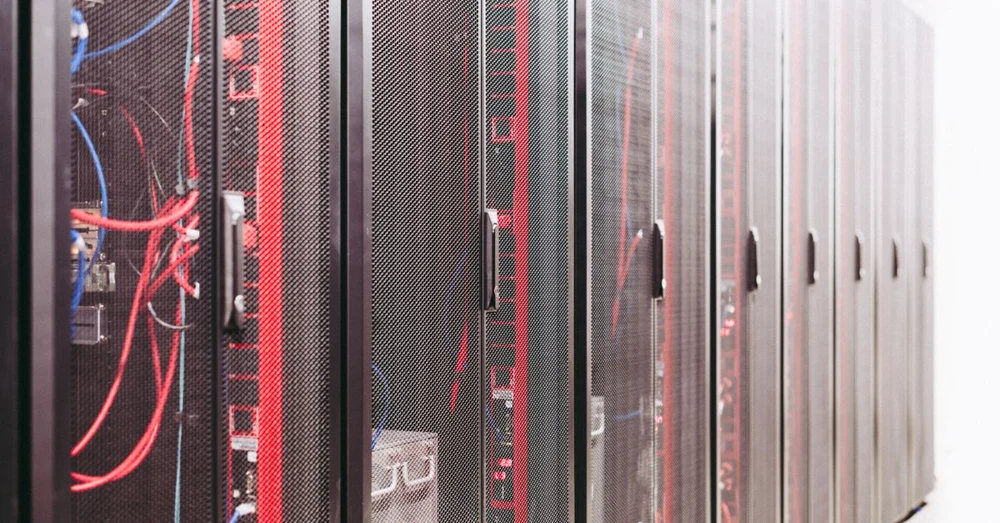
Selecting valves for liquid-cooling loops
Questions to bring to a cooling-equipment valve project.
Read article →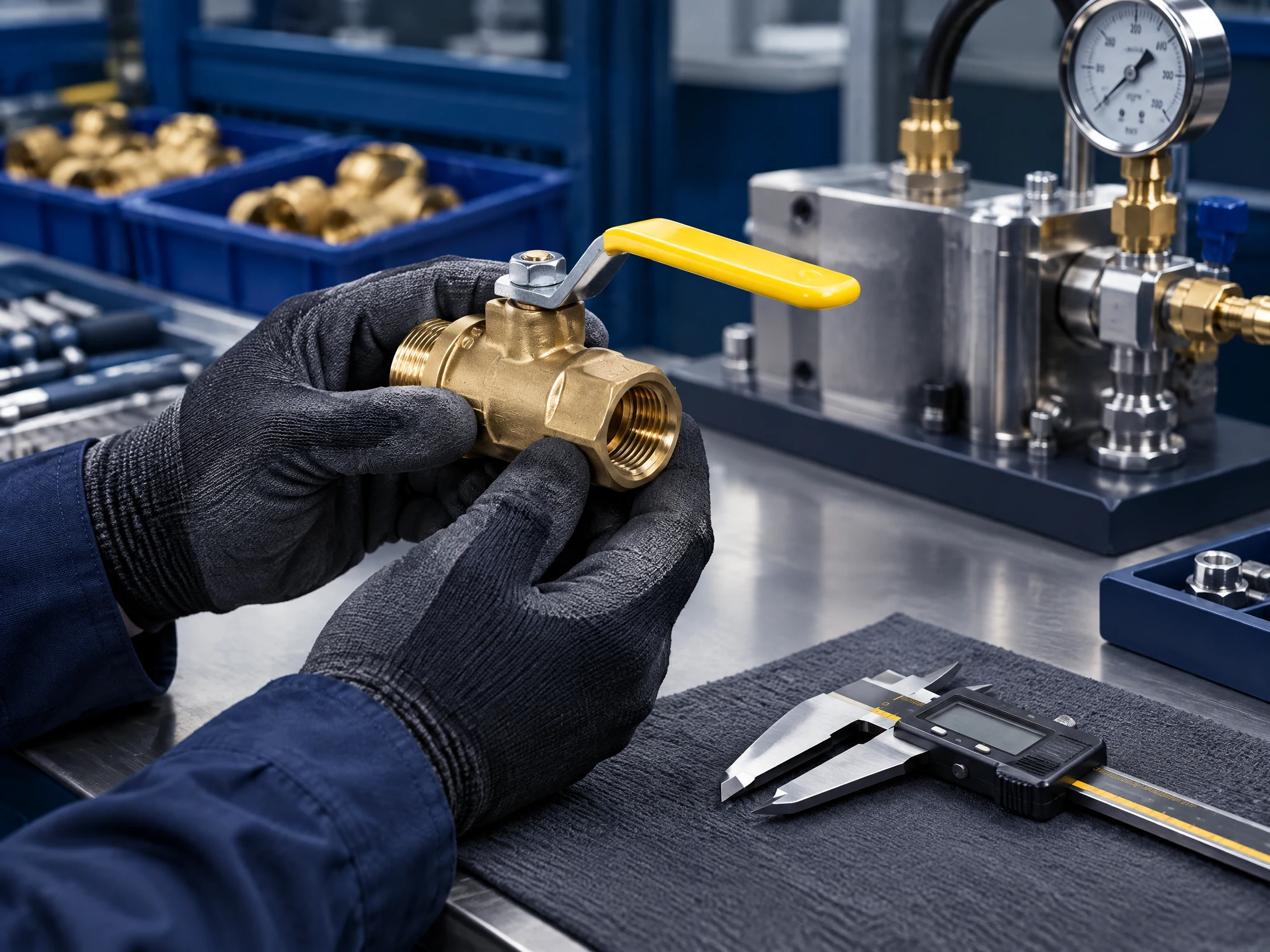
Planning isolation for service
Reviewing the connections, footprint and sections that need to be isolated.
Read article →
Adapting a standard valve to cooling equipment
Starting with the coolant, end connections and space in your assembly.
Read article →RELATED APPLICATIONS
Explore by application
Liquid Cooling & Thermal Management
Start with the coolant, connections and footprint in your cooling equipment.
Explore Liquid Cooling & Thermal Management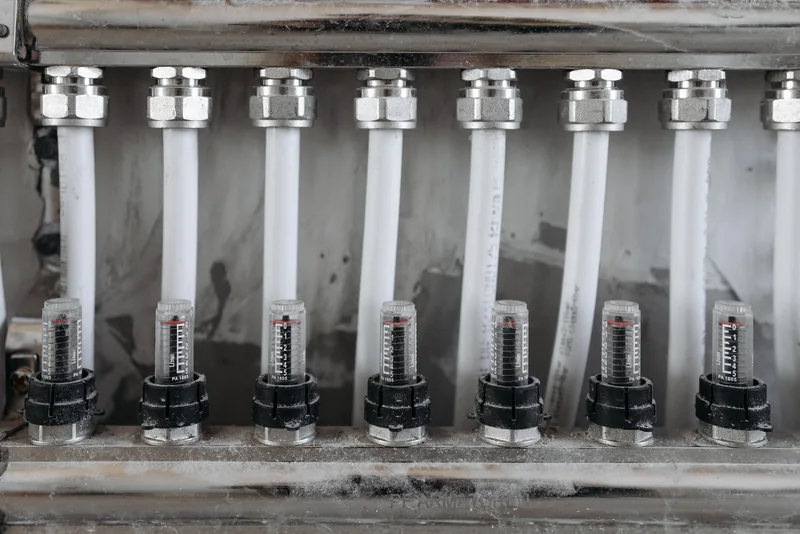
Fluid Distribution & Control
Discuss the layout and flow paths required by your assembly.
Explore Fluid Distribution & Control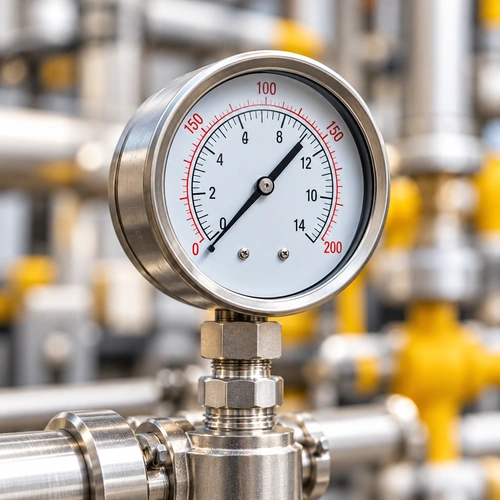
Instrumentation & Pressure Management
Review the monitoring and control requirements for your equipment.
Explore Instrumentation & Pressure ManagementFREQUENTLY ASKED QUESTIONS
Questions data center cooling teams ask
What valves are used in data center liquid cooling?
Liquid cooling loops commonly use ball valves to isolate sections for service and check valves to keep coolant flowing in one direction. Our ball valves and mini ball valves control coolant flow in data center cooling systems.
Are your valves compatible with water-glycol coolants?
[PLACEHOLDER: which body materials and seal compounds ABCO recommends for data center coolants]
Do you make manifolds for liquid cooling?
Manifolds are one of our product categories, and we design custom manifolds for fluid distribution and control. [CONFIRM: Does ABCO make rack or CDU manifolds?]
Can your valves be automated?
Our EA Series electric valve actuator can automate valve operation. [CONFIRM: Is this actuator sold paired with ABCO Valves? And does it suit data center use? Supports the search question ‘best actuators and valves for liquid cooling in data centers’. Remove if it doesn’t fit.]
Can you modify a standard valve for our equipment?
Yes. Most projects start from a standard valve with a change to it, and some become a part we design with you from scratch. Our engineers will tell you early which one your application needs.
Where are your valves made?
Every valve is engineered, designed, tested and assembled at our facility in Hartsville, South Carolina.
A BETTER PLACE TO BEGIN
Every project starts with a conversation
Tell us what the valve needs to do, what’s in the loop and where it mounts in the rack or cooling unit. If a standard Anderson Brass valve fits, we’ll point you to it. If it doesn’t, we’ll work out what will.