
Fuel & Lubrication
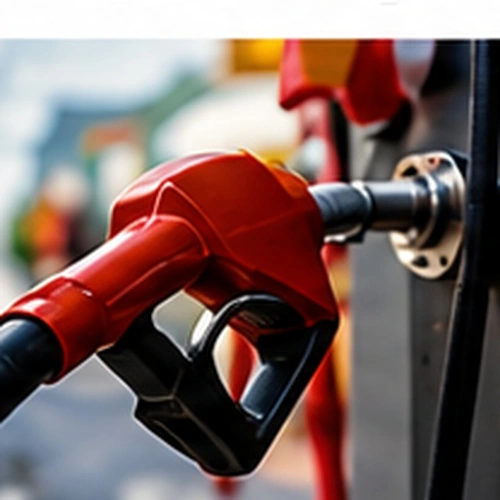
Shut-off and selector valves that keep fuel sealed and routed between tanks on trucks, boats and equipment.
Explore Fuel & Lubrication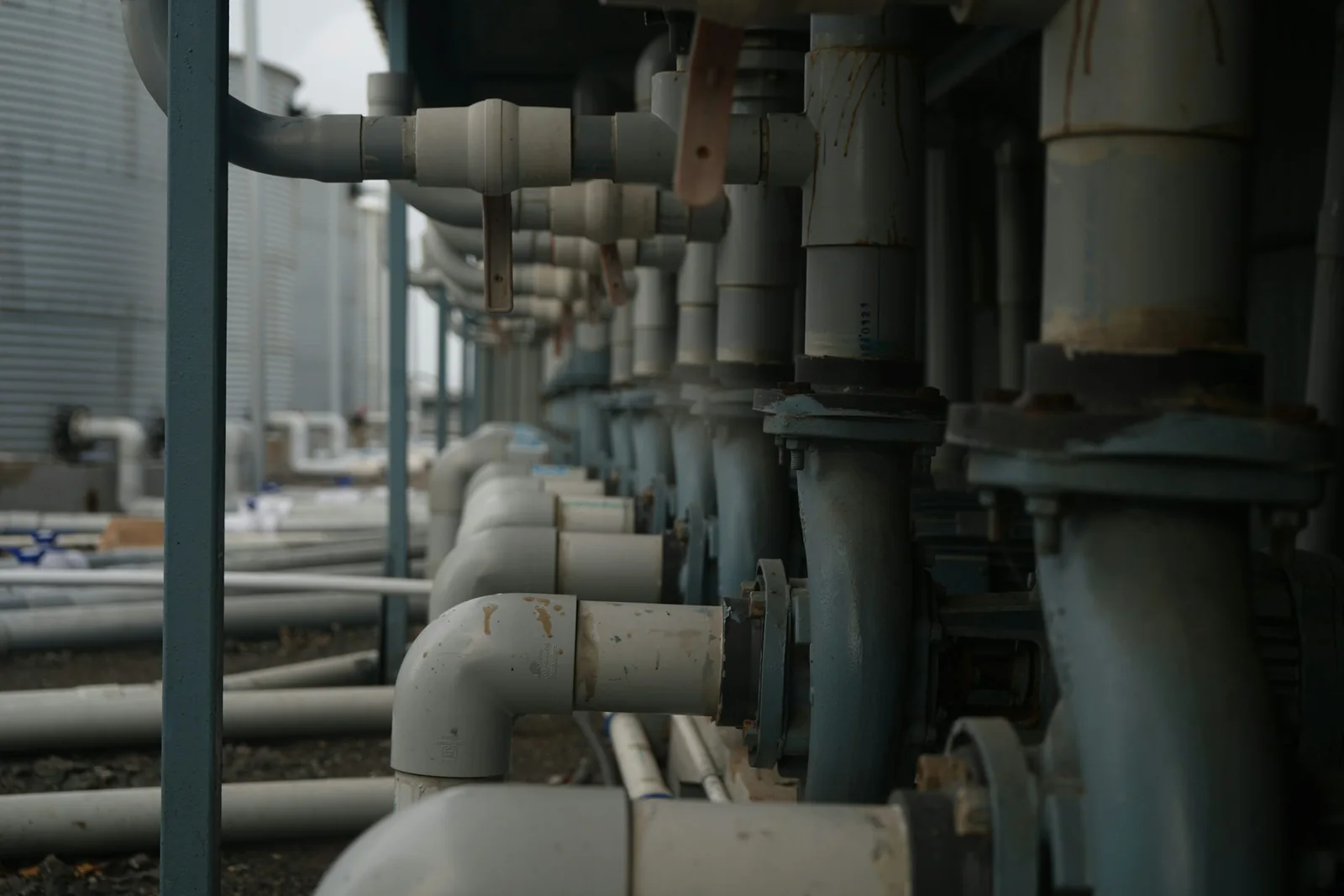
WHAT OUR VALVES DO
Every valve has a job: hold back fuel, seal compressed air, route coolant, sample media. Choose an application to see what it asks of a valve and which Anderson Brass valves are built for it. The job changes, but how we work doesn’t. We adapt proven components to your system, then machine, assemble and test them under one roof.
APPLICATIONS
Choose an application to see what it asks of a valve and how we help the teams who design for it.
Shut-off and selector valves that keep fuel sealed and routed between tanks on trucks, boats and equipment.
Explore Fuel & Lubrication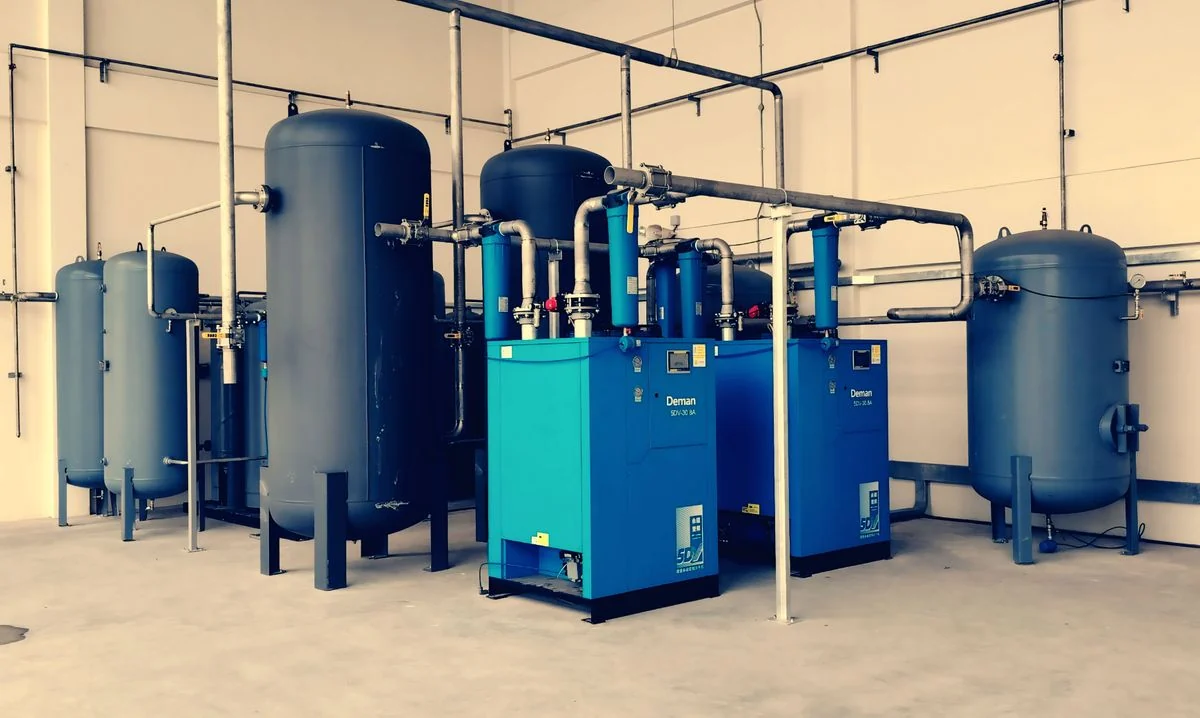
Valves that hold pressure in air and gas lines, from CO2 fill tools to drains that clear condensate from air tanks.
Explore Compressed Air & Gas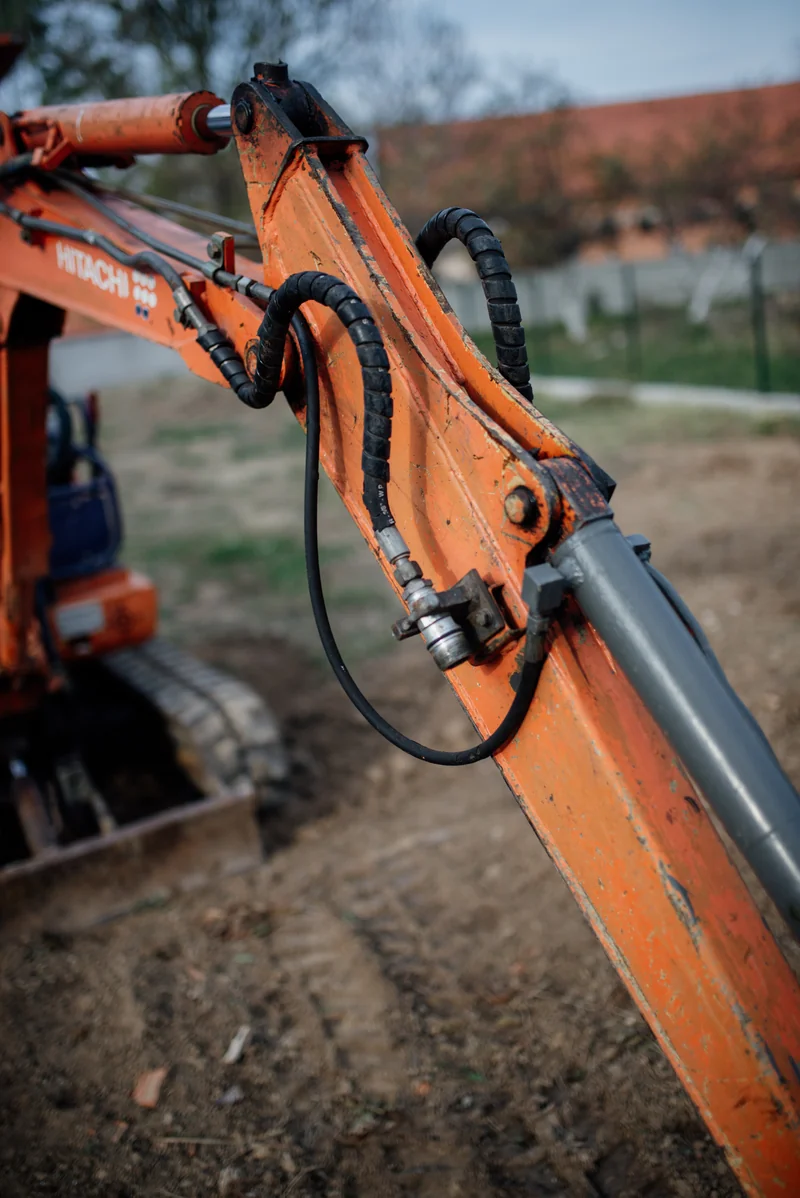
Valves for hydraulic circuits, matched to the pressure your system runs at. [PLACEHOLDER: confirm with ABCO’s pressure ratings]
Explore Hydraulic & Fluid Power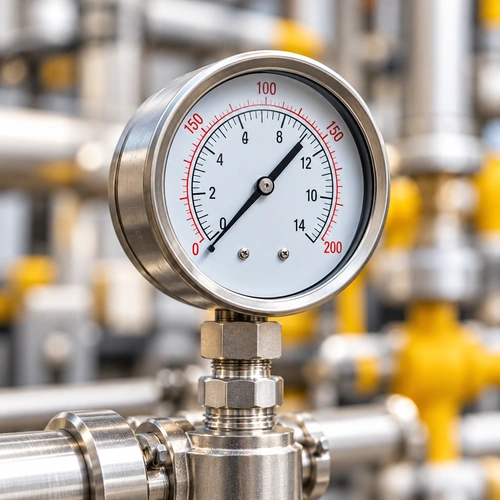
Instrumentation ball valves for panels, gauge lines and media sampling.
Explore Instrumentation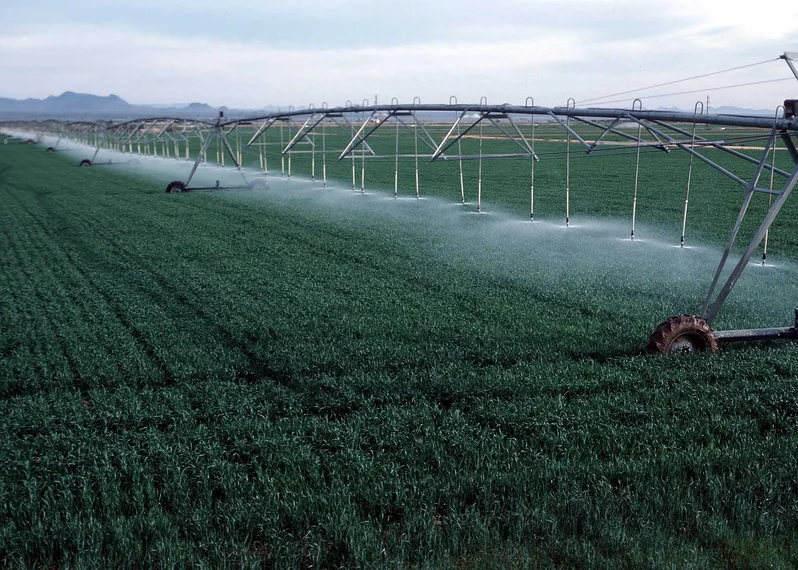
Valves for equipment that moves water and fertilizer across the field.
Explore Irrigation & Fertigation
Valves for the cooling loops in data centers and equipment thermal systems.
Explore Liquid Cooling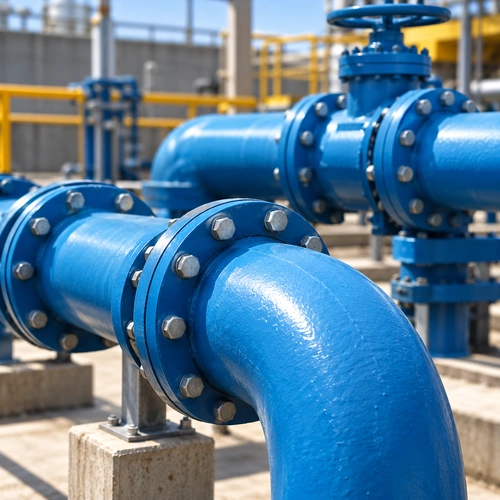
Valves for equipment that supplies and distributes water, including ASSE 1022 backflow prevention.
Explore Water Supply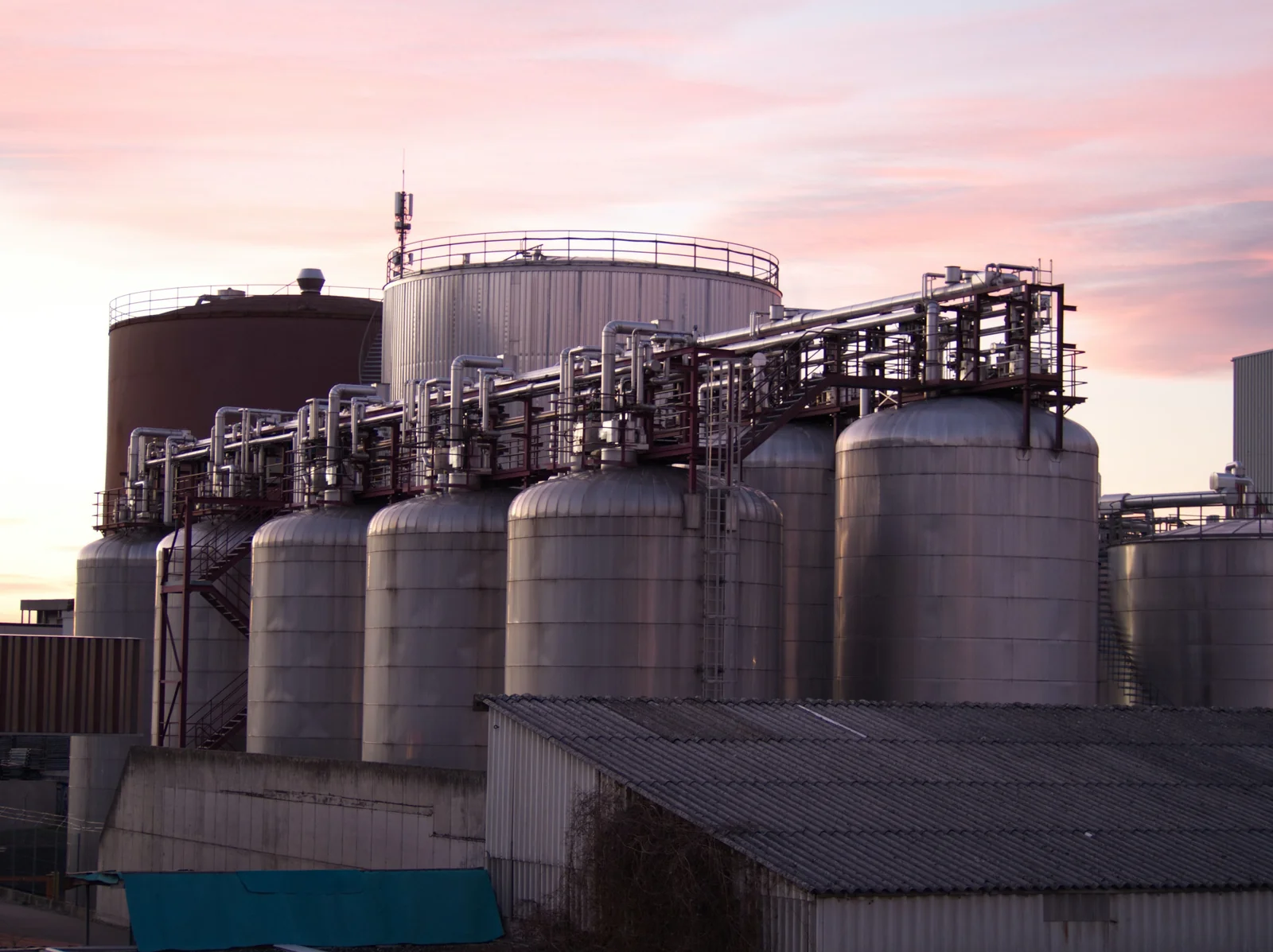
Valves for equipment that dispenses and transfers chemicals and process fluids.
Explore Chemical & Process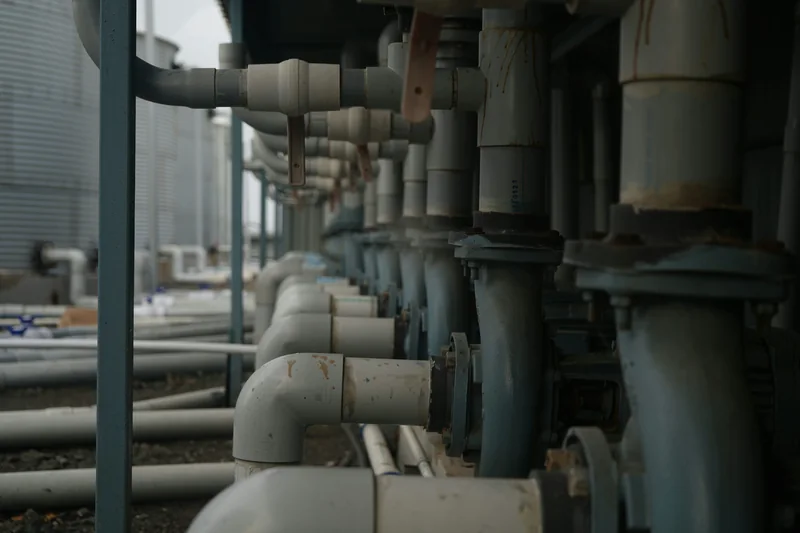
Valves for draining tanks, filling systems and purging air from lines.
Explore Drainage & Purging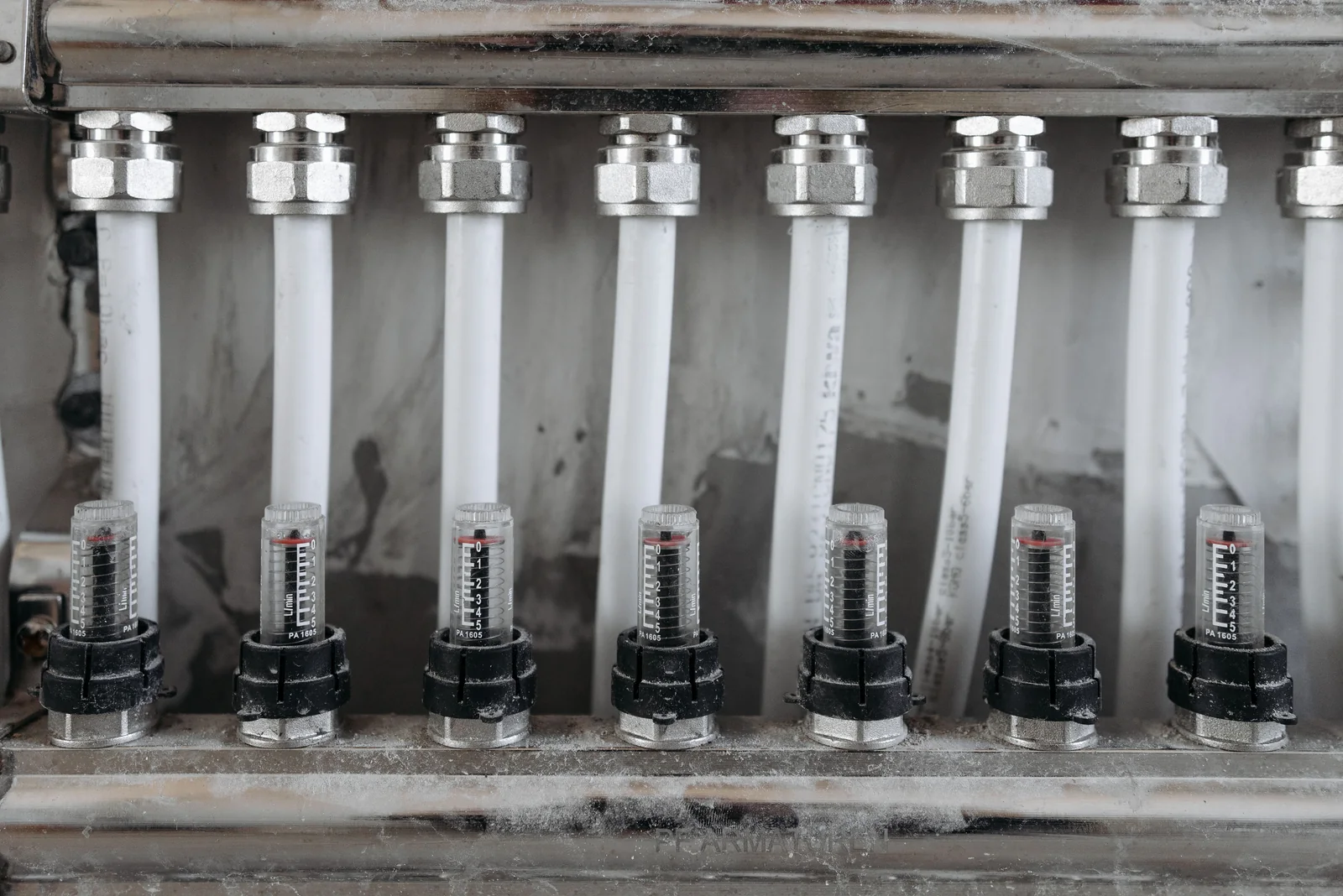
[PLACEHOLDER: card copy once ABCO defines this page’s scope]
Explore Fluid DistributionNot sure which application fits? Start with the equipment you build, or bring us a sketch, a problem or a part that almost works. You can also explore options in the valve configurator.
ONE PLATFORM
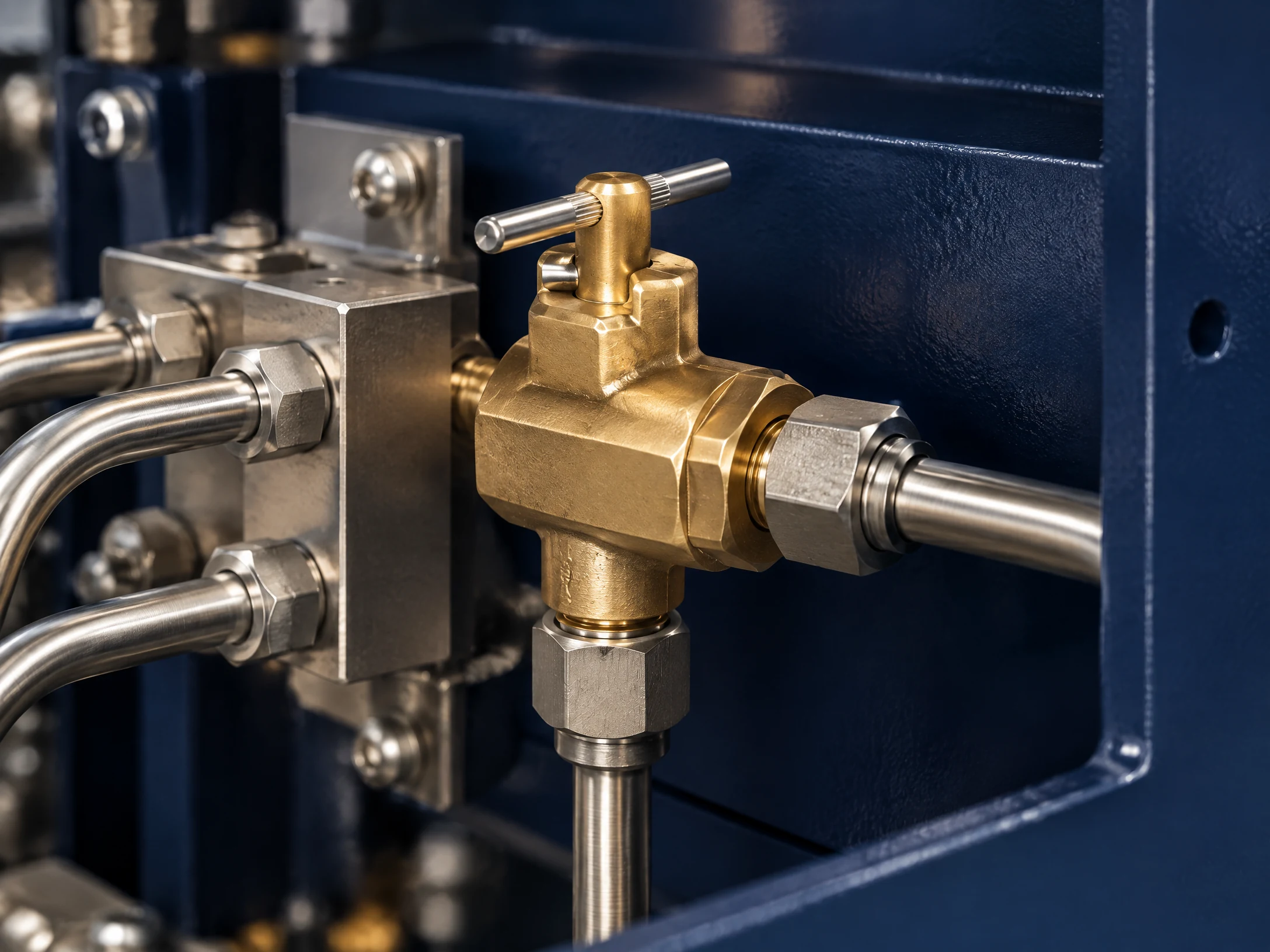
Fuel, air, coolant and water ask different things of a valve, but often less different than you’d expect. A design proven in one application is usually the fastest route to the next. Change the ends, the ports, the handle or the material, and a valve built for one job is ready for another. That keeps cost and risk down, and your next variation is a small step, not a new project.
AT WORK
A few of the jobs our valves already do. Different applications, same need: the right valve for the line.
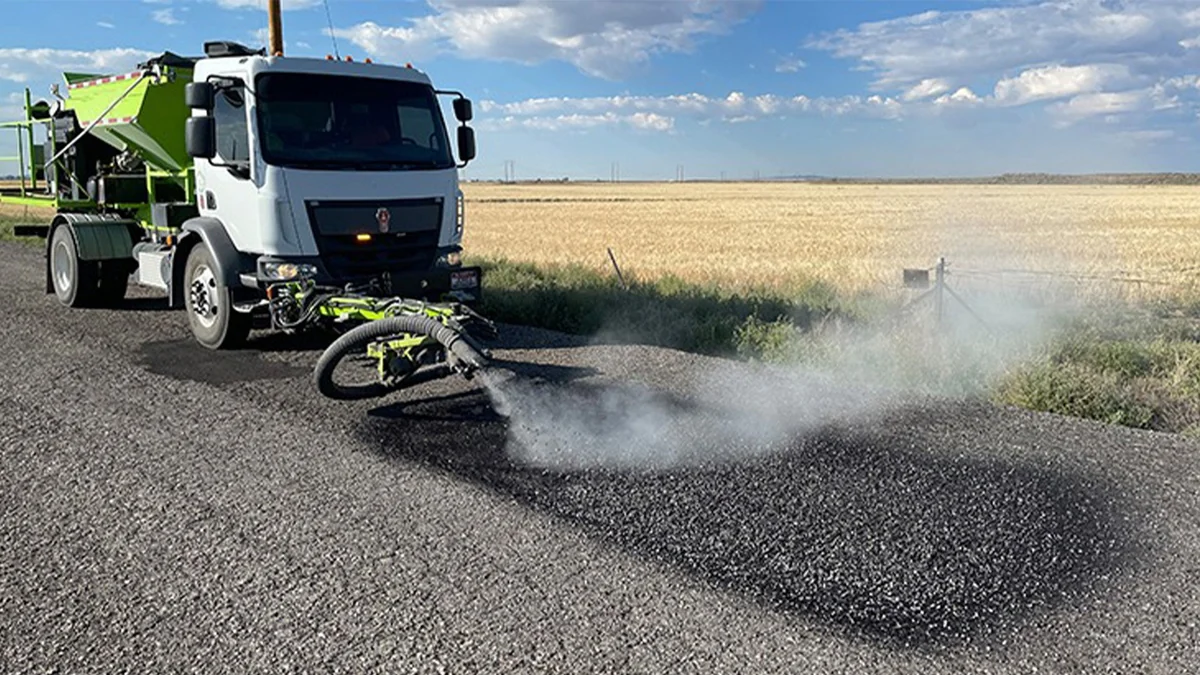
Three Anderson Brass 5200BV Series instrumentation ball valves on every Pothole Killer road repair truck handle air, coolant, emulsion and a flush agent, by hand or with an electric actuator.
Read the story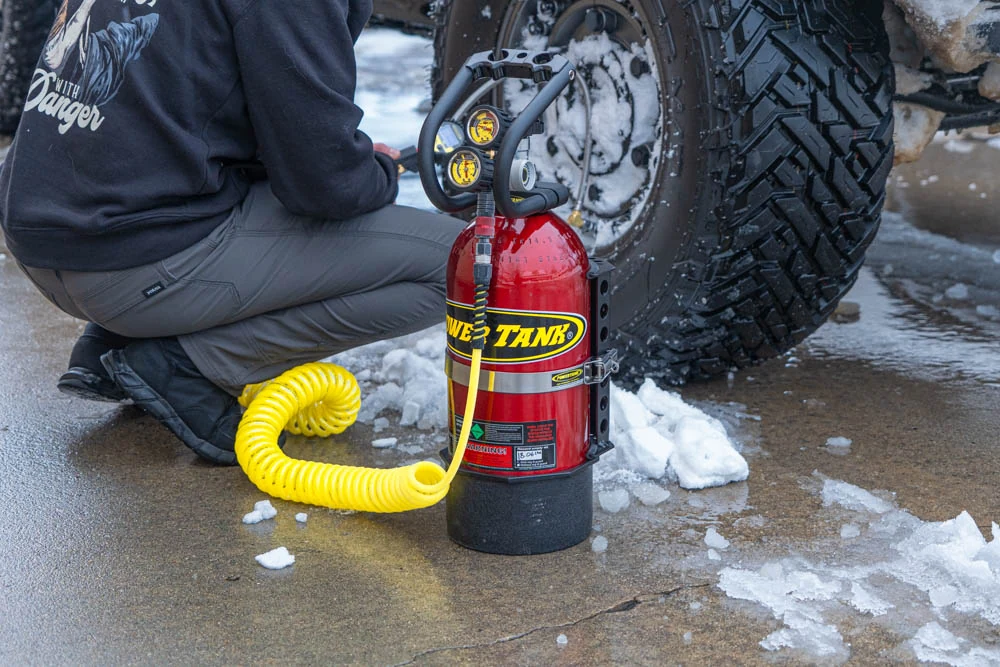 Illustrative equipment photo
Our 3222BV Series Kantleak™ instrumentation ball valve runs inside the Power Filler CO2 refill tool at 500 to 800 psi, well below its 1,500 psi working pressure.
Read the story Illustrative gas lantern
Our 350BV Series mini ball valve controls the gas in the Aspen wall mount lantern, part of St. James Lighting’s handcrafted copper fixtures.
Read the story“We purchase valves from Anderson Brass because of the long standing working relationship we have and because the valves are durable and cost effective compared to other valves that cost three to four times as much.”
GET STARTED
What’s in the line, what pressure it runs at and where it mounts. Those three answers tell our engineers whether a standard valve fits or whether we should design the right one with you, before the spec is locked.