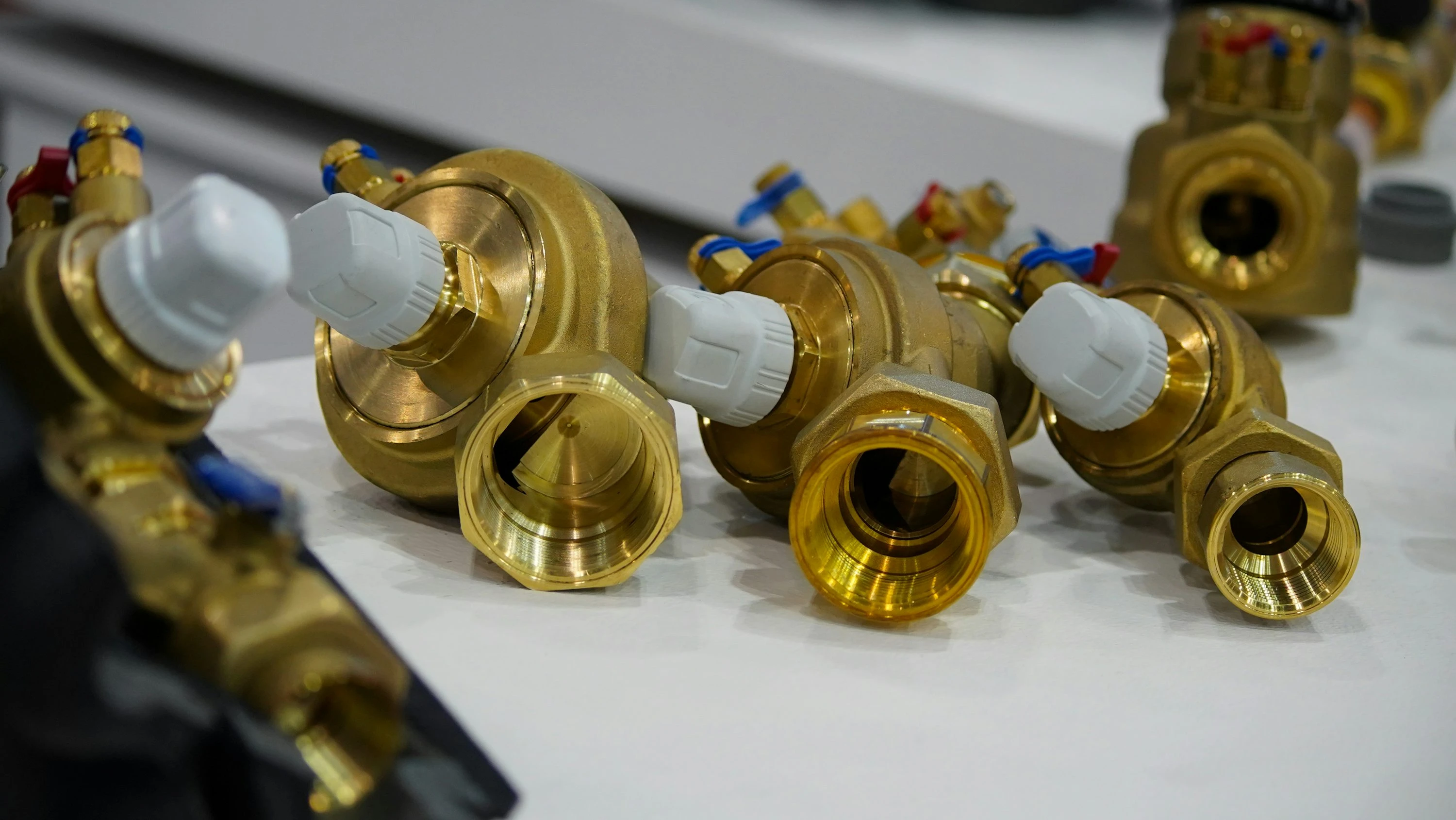

This is an illustrative scenario, not a report about a named customer or a measured installation. Imagine a maintenance team reviewing an irrigation service point before the next growing season. The objective is straightforward: make isolation and draining easier to plan without choosing components on appearance alone.
Start with the maintenance routine
The team maps where operators stand, how hoses connect, and which sections need attention during shutdown. That discussion reveals a layout question before it reveals a valve choice: can the operator reach the control without disturbing adjacent pipework?
A ball valve is considered for isolation, while a separate drain location is reviewed for servicing. Neither choice is treated as automatic. The team checks the actual water source, possible additives, seasonal temperatures, and pressure conditions against supplier specifications for every proposed wetted component.
Design for the real environment
Outdoor exposure, freezing risk, contamination, and support loads become part of the review. A drain valve alone does not guarantee that the entire assembly will empty or be protected from freezing. The piping arrangement and operating procedure must be assessed together.
The scenario ends with a documented specification and a clearer maintenance plan, not a claimed performance improvement. Its lesson is practical: begin with the operator’s task, then verify the component and installation details that make that task possible.