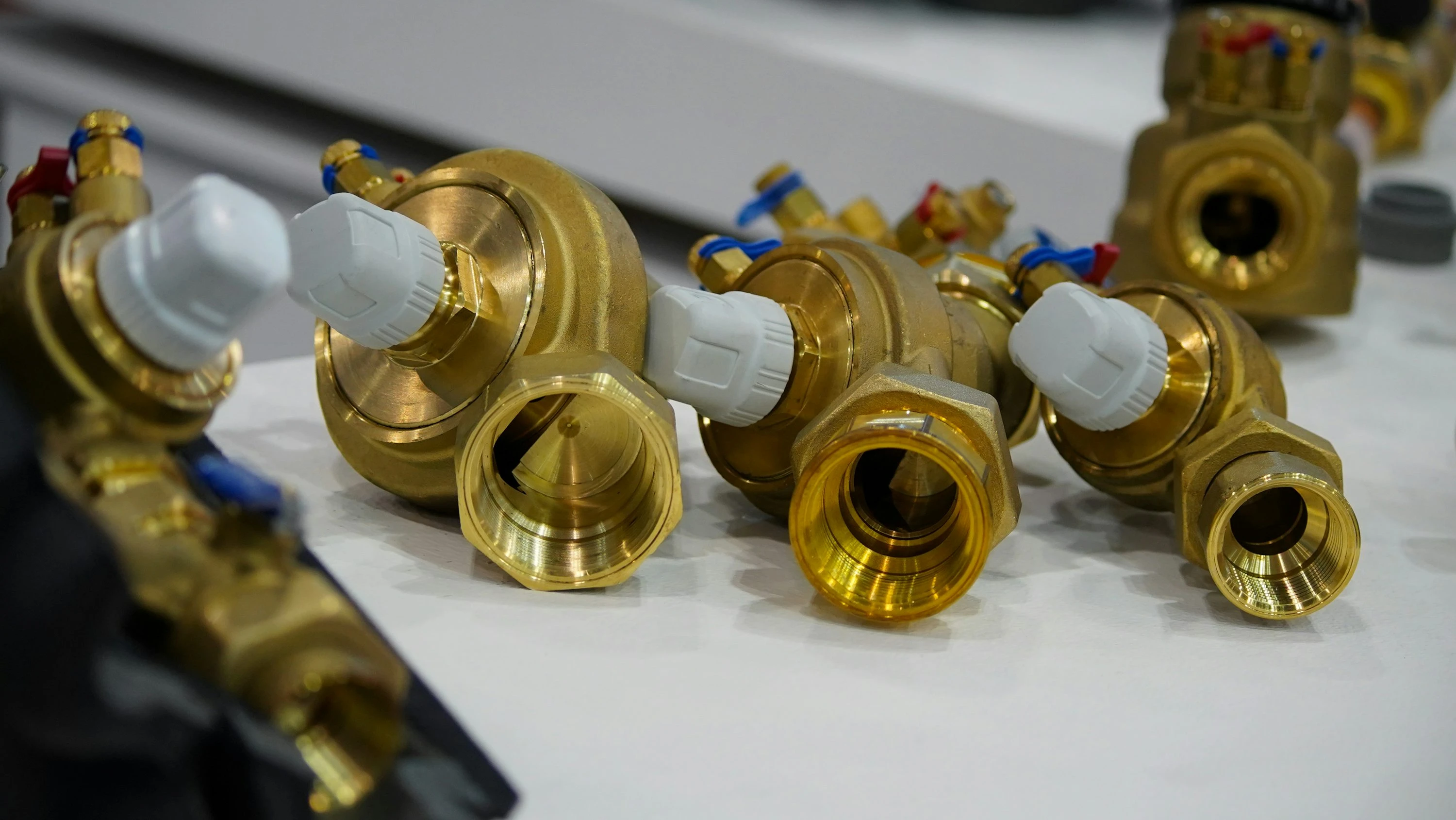
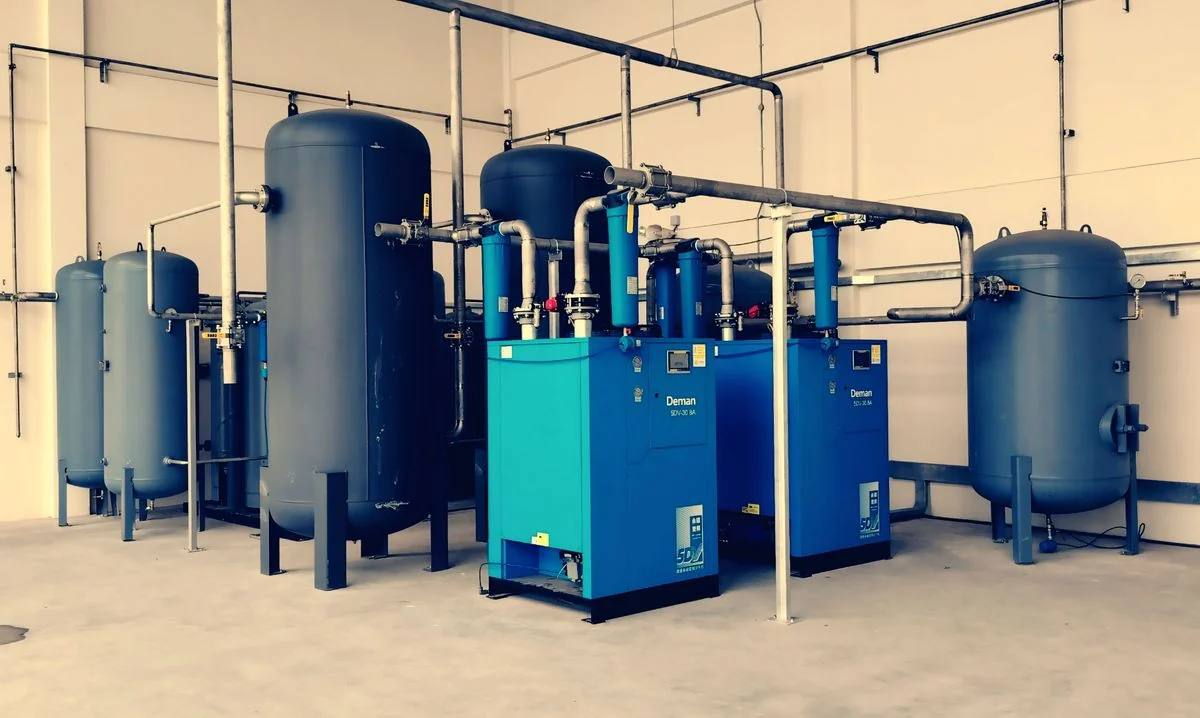
A check valve is used to address reverse flow, but that short description leaves important selection questions unanswered. In a compressed-air line, review the expected flow direction, operating range, and behavior during startup and shutdown before comparing candidate components. This is a general category overview, not a specific product performance claim.
Understand the opening conditions
Ask the supplier for the opening-pressure information and flow data that apply to the proposed configuration. The pressure difference needed to open a valve can affect how the surrounding system behaves. Nominal port size alone does not explain that behavior or establish acceptable pressure drop.
Review installation and service
Confirm permitted orientation, pressure and temperature limits, connection standards, and compatibility with any moisture, oil carryover, or other substances present. Review the actual air supply rather than assuming all compressed-air services are equivalent.
A check valve should not be treated as a substitute for a defined maintenance isolation procedure. Trapped pressure and possible leakage require their own assessment. Follow the system’s approved method for isolation, depressurization, and verification before work begins.
Document the selected configuration and the supplier information used to approve it. If the line’s operating conditions change, revisit opening behavior, flow requirements, and service limits. A useful review connects the valve’s stated characteristics to the system’s required behavior.